

If you’ve been keeping an eye on the news lately, you’ll have noticed two big stories: fuel prices going up around Australia, and the Artemis II trip around the moon.
While we’d better leave space travel to the experts, the fuel situation is hitting much closer to home and making a lot of us reevaluate how we get from A to B, along with the tax implications that come with it for individuals and businesses.
Read on to see what this may mean for you, your business, and potentially your next vehicle?
Fuel Prices Are Driving Change
With fuel prices staying uncertain, the cost of running a petrol or diesel vehicle continues to trend upward. For many business owners and employers, it’s no longer just a discomfort, it is now having a material impact on budgets. We are now seeing more people look at alternatives, with electric vehicles becoming a much bigger part of the conversation.
Why Electric Vehicles Are Being Given More Thought
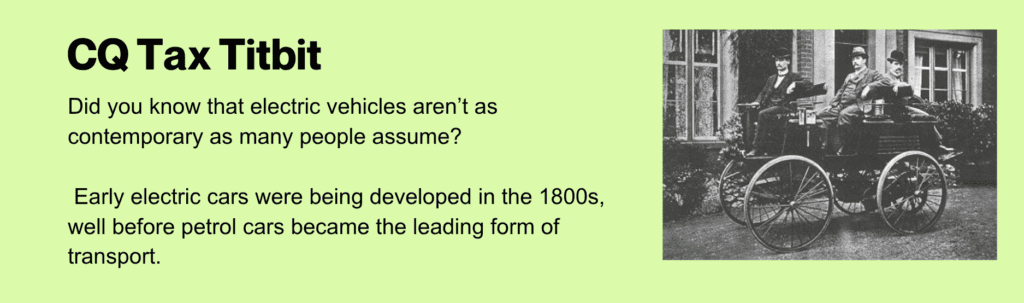
Electric vehicles are no longer only a “future idea”. They are becoming a practical consideration for many Australians.
It’s not just about avoiding the ups and downs of fuel prices either. There are also government incentives and tax changes that are strengthening the tax case for EVs.
The FBT Advantage: What You Should Know
One of the key reasons EVs are becoming more attractive comes down to how the Fringe Benefits Tax (FBT) currently works for them.
Put simply, if you’re an employer and you provide an electric vehicle to an employee, including for private use, you may not have to pay FBT at all. This can significantly reduce the after-tax cost of owning and running a vehicle through your business.
To be entitled for this exemption, a few key conditions need to be met:
- The vehicle must be a zero or low emissions vehicle, such as a fully electric car
- It must have first been held and used on or after 1 July 2022
- It needs to be provided to a current employee or their associate, like a family member
- The vehicle must be under the luxury car tax threshold, meaning LCT has never applied
If these boxes are ticked, this delivers a clear reduction in the after-tax cost of providing a vehicle for businesses.
Is It Worth Considering?
With fuel prices continuing to move around and EV technology improving, now is a good time to consider whether this could work for you.
For many businesses, the FBT benefits alone can justify further consideration.
 Your guide to claiming working from home expenses for 2023–24 income year